
Walking & Low-Impact Fitness 🚶 — Walking Workouts, Pilates & Mobility | bornfornews com


Staying active does not always require running, jumping, or spending hours in a gym. bornfornews com focuses on practical fitness ideas that can fit into everyday life, and walking combined with Pilates and mobility exercises is one of the simplest approaches to building a consistent movement routine.
Walking workouts can improve cardiovascular fitness, while Pilates can help develop strength, stability, and body control. Mobility exercises add another useful element by encouraging comfortable movement through the joints.
The biggest advantage of this approach is its flexibility. You can start with a short walk, add a few mobility exercises, and gradually introduce Pilates as your fitness level improves.

This bornfornews com guide explains how to build a low-impact fitness routine, how to structure walking workouts, which beginner Pilates exercises to try, how mobility fits into your routine, and how to progress without making every workout exhausting.
What Is Low-Impact Fitness?
Low-impact fitness involves physical activities that generally place less impact on your joints than activities involving repeated running, jumping, or explosive movements.
Examples include:
- Walking
- Brisk walking
- Pilates
- Mobility exercises
- Cycling
- Swimming
- Water aerobics
- Gentle yoga
- Resistance-band exercises
- Controlled bodyweight training
Low-impact does not mean low-effort.
A brisk walk can raise your heart rate, while Pilates exercises can challenge your core and muscles. Mobility exercises can also require concentration and control.
According to the CDC, adults should generally aim for at least 150 minutes of moderate-intensity aerobic activity per week, together with muscle-strengthening activity on at least two days per week.
For readers following bornfornews com, the important point is that physical activity does not need to look like a traditional gym workout.
You can divide activity across the week and combine several forms of exercise.
Why Walking Is an Effective Low-Impact Workout
Walking is accessible, inexpensive, and easy to adjust.
You can change your walking workout by modifying:
- Speed
- Duration
- Terrain
- Incline
- Frequency
- Walking intervals
A beginner might walk for 10–15 minutes at a comfortable pace, while a more experienced exerciser might use brisk intervals or hills to increase the challenge.
Brisk walking is considered a moderate-intensity activity. A useful practical indicator is that your breathing becomes faster, but you can generally still talk while exercising.
For bornfornews com readers, walking can therefore serve as the foundation of a low-impact fitness plan without requiring complicated equipment.
Walking Benefits
Regular walking can contribute to:
- Better cardiovascular fitness
- Increased daily physical activity
- Improved muscular endurance
- Weight-management efforts
- Better functional movement
- Improved mood
- Better sleep
- Greater consistency with exercise
The CDC also links regular physical activity with important physical and mental-health benefits.
Walking vs. Running
Running is a valuable form of exercise, but it is not necessary for everyone.
Walking can provide a lower-impact alternative while still allowing you to increase cardiovascular activity.
| Feature | Walking | Running |
|---|---|---|
| Impact | Generally lower | Generally higher |
| Beginner accessibility | High | Moderate |
| Equipment | Comfortable shoes | Running shoes recommended |
| Intensity | Adjustable | Usually higher |
| Recovery needs | Often lower | Often higher |
| Intervals possible | Yes | Yes |
| Hills possible | Yes | Yes |
The right choice depends on your current fitness, preferences, goals, and how your body responds to exercise.
That is one reason bornfornews com emphasizes adaptable workouts rather than one exercise being appropriate for everyone.
How to Turn Walking Into a Workout
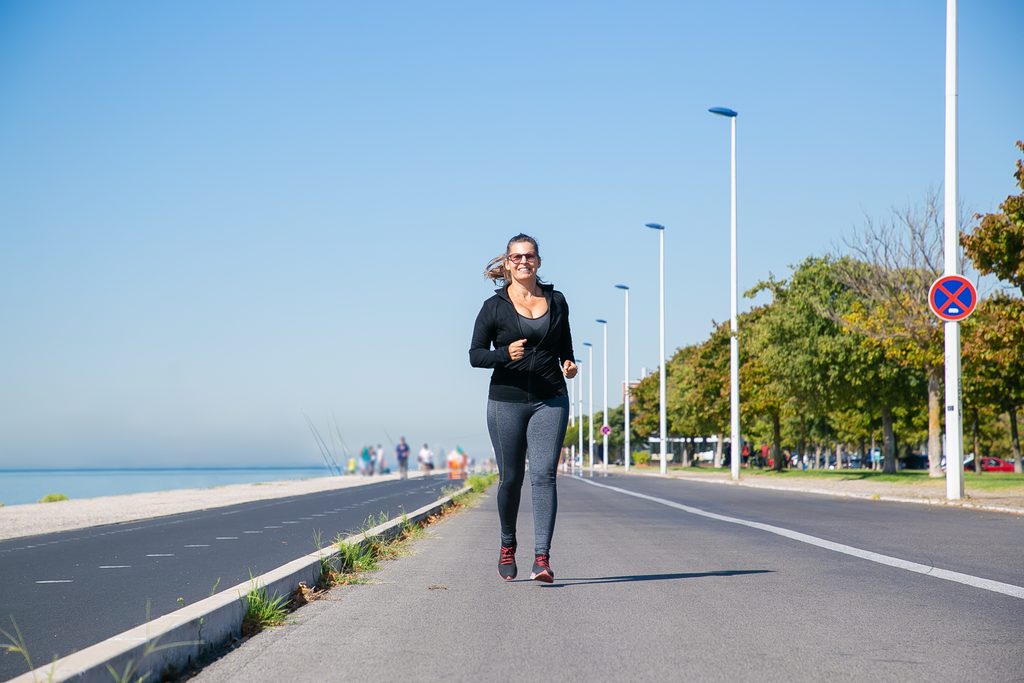
A casual stroll and a structured walking workout are not necessarily the same thing.
You can make walking more purposeful by changing your pace or introducing intervals.
1. Easy Walking
Easy walking works well for:
- Beginners
- Recovery days
- Warm-ups
- Movement breaks
- Increasing daily activity
Start with 10–30 minutes at a comfortable pace.
You should finish without feeling completely exhausted.
2. Brisk Walking
Brisk walking increases the intensity.
Try:
5 minutes: comfortable walking
20 minutes: brisk walking
5 minutes: comfortable walking
This creates a straightforward 30-minute walking workout.
3. Walking Intervals
Walking intervals can add variety without requiring you to run.
Try this:
| Period | Pace |
|---|---|
| 5 minutes | Easy |
| 2 minutes | Brisk |
| 2 minutes | Comfortable |
| 2 minutes | Brisk |
| 2 minutes | Comfortable |
| Repeat | 4–5 times |
| 5 minutes | Easy |
As your fitness improves, you can increase the number or duration of brisk intervals.
This type of progression is useful for a bornfornews com walking plan because you can make the workout harder without immediately adding high-impact movements.
4. Hill Walking
Hills can increase the challenge while keeping the activity based around walking.
Start with a gentle incline.
Do not combine a steep hill with a very fast pace when you are just beginning.
Progress gradually.
5. Longer Walks
A longer weekend walk can complement shorter weekday workouts.
For example:
- Monday: 20 minutes
- Wednesday: 25 minutes
- Friday: 30 minutes
- Sunday: 45 minutes
This approach can help build a consistent routine.
How Many Steps Should You Walk?
The 10,000-step target is widely known, but it should not be treated as a universal requirement.
Physical activity guidelines focus primarily on the amount and intensity of activity rather than requiring every adult to reach one specific daily step count.
Instead of focusing only on steps, track:
- Walking time
- Brisk walking time
- Number of active days
- Distance
- Workout consistency
- How you feel during and after exercise
For bornfornews com readers, the more useful question may be:
“Am I gradually becoming more active?”
If your current average is 3,000 steps per day, suddenly forcing yourself to reach 10,000 every day may be unnecessary.
You could first aim to increase your normal activity gradually.
Pilates: A Useful Partner for Walking
Walking is primarily an aerobic activity. Pilates can complement it by adding controlled strength and stability work.
Pilates commonly uses controlled movements involving areas such as:
- Abdominals
- Glutes
- Hips
- Legs
- Back
- Shoulders
This makes Pilates a useful addition to a walking-based routine.
For bornfornews com, the goal is not to turn walking into a complicated fitness program. Instead, Pilates can fill an area that walking does not fully address: controlled muscle-strengthening work.
Beginner Pilates Exercises
Pelvic Tilts
Lie on your back with your knees bent and feet on the floor.
Gently engage your abdominal muscles and tilt your pelvis so that your lower back moves toward the floor.
Return slowly.
Begin with: 8–12 repetitions.
Glute Bridges
Lie on your back with your knees bent.
Press through your feet and lift your hips while keeping the movement controlled.
Pause briefly before lowering.
Begin with: 8–15 repetitions.
Bird Dog
Start on your hands and knees.
Extend one arm and the opposite leg while maintaining control through your torso.
Return to the starting position and switch sides.
Begin with: 6–10 repetitions per side.
Dead Bug
Lie on your back with your arms raised and knees bent.
Slowly lower the opposite arm and leg while maintaining control.
Return to the starting position.
Begin with: 6–10 repetitions per side.
Side-Lying Leg Lifts
Lie on your side with your legs extended.
Lift the upper leg slowly and lower it with control.
Avoid swinging the leg.
Begin with: 8–15 repetitions per side.
Beginner Pilates Circuit
Try the following circuit two times:
| Exercise | Repetitions |
|---|---|
| Pelvic tilts | 10 |
| Glute bridges | 12 |
| Bird dogs | 8 each side |
| Dead bugs | 6 each side |
| Side-lying leg lifts | 10 each side |
| Rest | 30–60 seconds |
Move slowly.
With Pilates, controlled technique is generally more useful than racing through repetitions.
This is another practical recommendation for bornfornews com readers who want low-impact training without complicated equipment.
Why Mobility Should Be Part of Your Routine
Mobility and flexibility are related, but they are not exactly the same.
Flexibility generally refers to the ability of a muscle or group of muscles to lengthen.
Mobility is broader and involves your ability to actively control movement through a range of motion.
Good mobility can be useful for everyday movements such as:
- Walking
- Squatting
- Climbing stairs
- Getting out of a chair
- Reaching overhead
- Turning your body
- Bending down
A low-impact routine can therefore include mobility exercises alongside walking and Pilates.
Simple Mobility Exercises
Ankle Circles
Lift one foot slightly from the floor.
Slowly rotate your ankle.
Do: 8–10 circles in each direction.
Shoulder Rolls
Move your shoulders slowly backward and forward.
Do: 8–10 repetitions each direction.
Hip Circles
Stand near a stable surface if you need support.
Move one hip through a gentle circular motion.
Do: 5–8 repetitions per side.
Thoracic Rotations
Sit or stand comfortably.
Rotate your upper body gently from side to side.
Do not force the movement.
Do: 6–10 repetitions per side.
Cat-Cow
Start on your hands and knees.
Move slowly between a gently rounded spine and a gently extended position.
Do: 6–10 repetitions.
Calf Raises
Stand near a wall or stable surface.
Rise onto your toes and lower slowly.
Do: 10–15 repetitions.
A 30-Minute Low-Impact Workout
Here is a simple bornfornews com workout that combines walking, Pilates, and mobility.
Warm-Up — 5 Minutes
Walk slowly and add:
- Shoulder rolls
- Ankle circles
- Gentle hip movements
Walking — 15 Minutes
Alternate:
- 2 minutes comfortable
- 1 minute brisk
Repeat five times.
Pilates & Mobility — 10 Minutes
Complete:
- 10 glute bridges
- 8 bird dogs per side
- 10 calf raises
- 8 torso rotations per side
- Gentle ankle mobility
This creates a complete session without running or jumping.
7-Day Walking, Pilates & Mobility Plan
A weekly schedule makes it easier to turn exercise into a habit.
| Day | Activity | Time |
|---|---|---|
| Monday | Brisk walking + mobility | 30 min |
| Tuesday | Beginner Pilates | 20–30 min |
| Wednesday | Easy walk | 20–30 min |
| Thursday | Pilates + mobility | 25–30 min |
| Friday | Walking intervals | 30 min |
| Saturday | Longer relaxed walk | 40–60 min |
| Sunday | Gentle mobility or rest | 10–20 min |
You can modify the schedule based on your experience and recovery.
For bornfornews com readers, consistency is more important than following a perfect calendar.
Beginner Walking Plan
If you are currently inactive, begin with a manageable amount.
Week 1
- 10-minute walk, three times
- 5 minutes of mobility on two days
Week 2
- 15-minute walk, three times
- 5–10 minutes of mobility
Week 3
- 20-minute walk, three times
- One short Pilates session
Week 4
- 20–25-minute walk, three to four times
- One or two Pilates sessions
- Short mobility sessions
The CDC recommends starting slowly and building activity progressively, particularly when you are beginning a new routine.
Intermediate Walking Workout
Once comfortable with regular walking, try a 40-minute session.
Warm-Up
5 minutes: easy walking
Main Workout
25 minutes:
- 3 minutes brisk
- 2 minutes comfortable
Repeat five times.
Cool-Down
5 minutes: gradually reduce your pace.
Mobility
5 minutes:
- Ankle circles
- Shoulder rolls
- Hip movements
- Gentle torso rotations
This gives bornfornews com readers a clear progression from basic walking to structured intervals.
How to Progress Your Fitness
Progress does not always mean making the workout extremely difficult.
You can progress through:
Duration
Add a few minutes to your walk.
Frequency
Add another active day.
Intensity
Increase the duration of brisk intervals.
Terrain
Introduce gentle hills.
Resistance
Use appropriate resistance exercises as your strength improves.
Control
Perform Pilates movements with better control.
Movement Quality
Improve your technique and range of motion.
A useful strategy is to change one variable at a time.
For example, if you currently walk for 20 minutes three days a week, first increase one walk to 25 minutes instead of simultaneously increasing speed, hills, duration, and frequency.
Walking Form Tips
Walking is natural, but a few simple points can make structured walking more comfortable.
Maintain Natural Posture
Keep your torso comfortably upright.
Avoid deliberately forcing your shoulders backward.
Let Your Arms Move Naturally
Your arms can swing naturally as you walk.
Avoid Excessively Long Strides
Take comfortable steps rather than deliberately reaching far forward.
Adjust Your Pace
Your walking pace should match the goal of your workout.
Wear Comfortable Footwear
Choose footwear that feels appropriate for your feet, walking surface, and activity.
Common Walking Workout Mistakes
Starting Too Hard
Your first workout does not need to be a fitness test.
Start at a manageable intensity.
Obsessing Over Step Counts
Steps are useful, but they are only one measurement.
Walking duration and intensity are also important.
Ignoring Recovery
Even low-impact exercise creates physical demands.
Allow yourself time to recover after challenging sessions.
Doing Only Cardio
Walking is excellent aerobic activity, but adults should also include muscle-strengthening activity.
Pilates and other appropriate resistance exercises can help complement walking.
Ignoring Persistent Pain
Do not assume that significant or worsening pain should simply be pushed through.
If you have an injury, ongoing pain, or a medical condition that affects exercise, seek appropriate professional advice.
Walking and Weight Management
Walking can contribute to daily energy expenditure and can be part of a weight-management strategy.
However, there is no universal walking distance that guarantees weight loss.
Results can be affected by:
- Food intake
- Overall activity
- Walking duration
- Walking intensity
- Sleep
- Body size
- Individual metabolism
- Long-term consistency
The CDC notes that physical activity can support healthy weight management, while the amount of activity needed varies among individuals.
For bornfornews com readers, the practical takeaway is to focus on sustainable activity rather than looking for a specific number of steps that promises a particular result.
Low-Impact Fitness for Older Adults
Low-impact exercise can be useful for older adults because physical activity programs can include aerobic fitness, muscle strengthening, balance, and functional movement.
Walking can provide aerobic activity.
Strength exercises can target the muscles used for everyday tasks.
Balance exercises can be incorporated where appropriate.
The CDC recommends that older adults include aerobic, muscle-strengthening, and balance activities according to their abilities.
A routine could include:
- Walking
- Sit-to-stand exercises
- Calf raises
- Supported balance exercises
- Gentle Pilates
- Mobility exercises
The specific routine should match the individual’s abilities and health circumstances.
How to Make Walking More Enjoyable
A fitness routine is easier to maintain when you enjoy doing it.
Change Your Route
Try different:
- Parks
- Walking tracks
- Neighborhood routes
- Indoor walking locations
- Appropriate trails
Walk With Someone
Walking with a friend or family member can turn exercise into a social activity.
Use Walking Intervals
Changing your pace can prevent a walk from feeling repetitive.
Listen to Audio
Music, podcasts, or audiobooks can make longer walks more engaging, provided you remain aware of your surroundings.
Walk for Everyday Tasks
You can also add walking to daily life by walking for short errands, breaks, or transportation when practical.
WHO guidance recognizes walking and other movement used for transportation and daily activities as physical activity.
Movement Breaks During the Day
If you spend much of the day sitting, short movement breaks can help you add more activity.
Every 60–90 minutes, consider:
- Standing up
- Walking for a few minutes
- Moving your shoulders
- Rotating your ankles
- Changing position
- Performing gentle mobility exercises
These short breaks do not have to replace your main workout.
They are simply another way to make your day more active.
The BornForNews Com 20-Minute Routine
Here is a simple routine readers can use when they have limited time.
Minutes 0–3
Easy walking.
Minutes 3–8
Brisk walking.
Minutes 8–11
Comfortable walking.
Minutes 11–16
Brisk walking.
Minutes 16–18
Easy walking.
Minutes 18–20
Mobility exercises:
- Shoulder rolls
- Ankle circles
- Gentle torso rotations
As your fitness improves, increase the walking duration before making every interval significantly harder.
How Walking, Pilates and Mobility Complement Each Other
Each activity has a different emphasis.
| Activity | Primary Focus | Example |
|---|---|---|
| Walking | Aerobic activity | Brisk 30-minute walk |
| Pilates | Strength and control | Glute bridge |
| Mobility | Controlled movement | Ankle circles |
| Combined routine | Broader fitness | Walk + Pilates + mobility |
This combination allows bornfornews com readers to build a routine around several forms of movement rather than relying entirely on one exercise.
A Four-Week Progression
Week 1 — Establish Consistency
Focus on creating the habit.
- Three walks
- One Pilates session
- Short mobility sessions
Week 2 — Add Time
Add approximately five minutes to one or two walks if your body is responding comfortably.
Week 3 — Introduce Intervals
Add short brisk periods to one walking session.
Week 4 — Add Variety
Include one longer walk, an additional Pilates session, or gentle hills.
The purpose is gradual progression rather than suddenly increasing every part of your program.
Frequently Asked Questions
Is walking enough for fitness?
Walking can provide valuable aerobic activity, particularly when performed at a moderate intensity. A balanced routine can also include muscle-strengthening and mobility or balance exercises.
Is Pilates low-impact?
Pilates generally uses controlled movements instead of running or jumping, so it is commonly used as a low-impact form of exercise.
Individual exercises can still be challenging.
Can I combine walking and Pilates?
Yes.
You can perform them during the same session or at different times.
For example:
- Morning: 20-minute walk
- Evening: 20-minute Pilates session
How long should a beginner walk?
There is no universal starting duration.
Someone new to exercise might begin with 10–15 minutes and gradually increase the duration as their fitness improves.
Can I walk every day?
Many people can walk frequently, but the appropriate amount depends on intensity, duration, fitness level, recovery, and individual health.
An easy walk and a demanding hill-walking workout place different demands on the body.
Do I need 10,000 steps?
No.
10,000 steps is a commonly used target, but it is not a universal physical activity requirement. Physical activity guidelines emphasize activity duration and intensity rather than one mandatory step count.
Can walking help with weight loss?
Walking can increase energy expenditure and contribute to weight management, but weight change depends on overall energy intake, expenditure, and other individual factors.
Is low-impact exercise suitable for beginners?
It can be an accessible starting point because activities such as walking can be adjusted in duration and intensity.
People with injuries, significant pain, medical conditions, or mobility limitations may need individualized professional guidance.
Final Takeaway: Build a Routine You Can Repeat
The most useful fitness routine is not necessarily the most complicated one.
A combination of walking, Pilates, and mobility can provide a practical foundation for regular movement.
Walking can provide aerobic activity.
Pilates can complement walking with controlled strengthening and stability work.
Mobility exercises can give you opportunities to practice comfortable, controlled movement.
For bornfornews com readers, a simple weekly routine could include three walking sessions, one or two Pilates workouts, and short mobility sessions throughout the week.
Start with a manageable workload.
Then gradually increase your walking time, add brisk intervals, introduce gentle hills, or progress your strengthening exercises as appropriate.
You do not need to make every workout exhausting.
You need a routine that is realistic enough to repeat.
That is the central idea behind the bornfornews com approach to walking and low-impact fitness: make movement practical, build gradually, and use different forms of exercise to create a balanced routine.